Discover Orthodox Christianity
The Ancient Faith of the Christian Church
What is Orthodox Christianity? Where did it come from? What does it believe, and how does it differ from Protestantism and Roman Catholicism?
The Eastern Orthodox Church understands itself as the continuation of the one, holy, catholic, and apostolic Church confessed in the Nicene Creed, preserving the faith received from the Apostles through Holy Scripture, Holy Tradition, worship, and sacramental life.
Whether you are exploring Christianity for the first time or coming from another Christian tradition, this section is designed to help you understand Orthodoxy from its own historical and theological foundations.
No previous knowledge of Orthodoxy is necessary. Begin here, ask questions, and examine the evidence for yourself.
What Is Orthodox Christianity?
Eastern Orthodox Christianity is one of the world's oldest continuous Christian traditions, tracing its origins to Jesus Christ, the Apostles, and the Christian communities established in the first century.
The word Orthodox comes from the Greek words orthos and doxa, traditionally understood as right belief and right glory or worship. Orthodoxy encompasses not only what Christians believe, but how they worship, pray, and live their faith.
The Orthodox Church understands Christianity as a living inheritance transmitted from generation to generation through Holy Scripture, Holy Tradition, apostolic succession, sacramental worship, and the teachings of the Church Fathers.
Unlike denominations founded around a particular reformer or theological movement, the Orthodox Church understands its identity through continuity with the apostolic Church.
At the heart of Orthodox Christianity is the restoration of humanity through Jesus Christ, leading toward communion with God and participation in His divine life, a process known as theosis.
From the Apostles to the Present Day
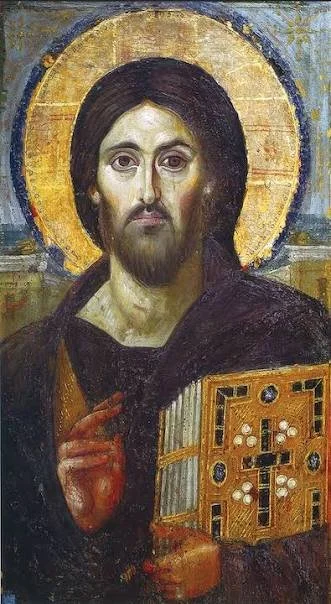
The history of Orthodox Christianity begins not with a medieval reformer, a political movement, or a particular nation, but with Jesus Christ and the apostolic Church.
Following Pentecost, the Apostles carried the Gospel throughout the ancient world, establishing Christian communities, appointing leaders, celebrating the Eucharist, and transmitting the teachings they had received.
During the centuries that followed, the Church endured persecution, confronted heresies, articulated its doctrines through the Ecumenical Councils, and preserved its sacramental and liturgical inheritance.
The Eastern Orthodox Church understands itself as the continuation of this historic apostolic Church, maintaining continuity in doctrine, worship, episcopal succession, and spiritual life.
To understand Orthodoxy, therefore, is to examine not merely a modern Christian tradition, but the historical development and living inheritance of Christianity itself.
The Foundations of the Orthodox Faith
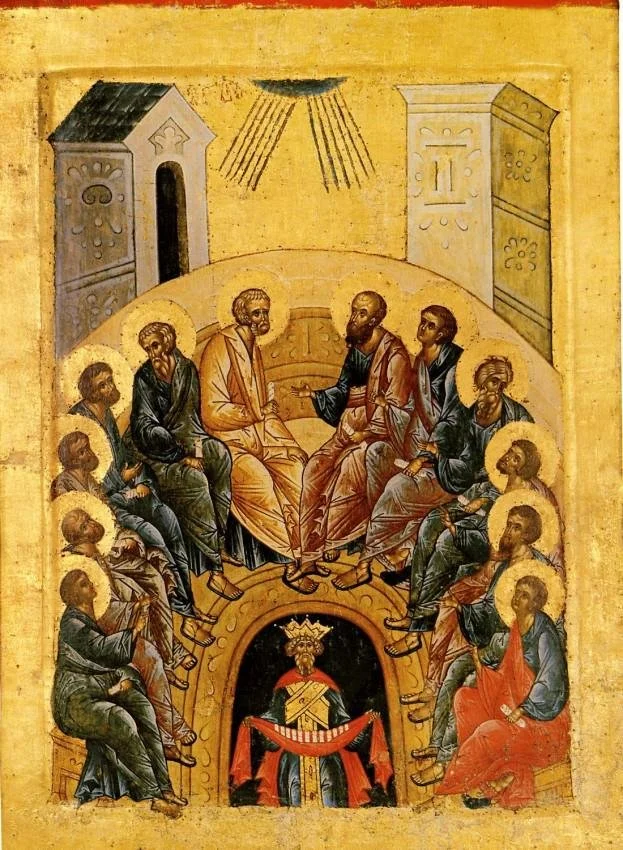
The Orthodox Christian faith is rooted in the revelation of God through Jesus Christ and expressed in the Nicene-Constantinopolitan Creed.
The Holy Trinity
We believe in one God eternally existing in three distinct Persons: the Father, the Son, and the Holy Spirit, undivided in divine essence.
Jesus Christ
We confess Jesus Christ as fully God and fully man, who became incarnate for our salvation, was crucified, rose from the dead, and will come again in glory.
Holy Scripture and Holy Tradition
We receive Holy Scripture as the inspired Word of God and understand it within the living apostolic Tradition of the Church.
Salvation and Theosis
Salvation is more than forgiveness of sins. It is the healing, restoration, and transformation of humanity through divine grace, leading toward communion with God.
The Holy Mysteries
Through the sacramental life of the Church, Christians participate in the grace of God, particularly through Baptism, Chrismation, and the Holy Eucharist.
The Church
We confess one, holy, catholic, and apostolic Church, united in faith, worship, and sacramental communion.
A Faith to Be Lived
Orthodox Christianity is not merely a system of beliefs or an intellectual understanding of God. It is a way of life centered upon communion with Christ.
Through prayer, fasting, repentance, worship, works of mercy, and participation in the Holy Mysteries, Christians are called to grow in holiness and become increasingly conformed to the likeness of Christ.
These practices are not attempts to earn salvation, but expressions of faith and cooperation with the grace of God.
The Divine Liturgy stands at the center of Orthodox Christian life. In the Holy Eucharist, the faithful receive the true Body and Blood of Jesus Christ, participating in the sacramental life of the Church.
Orthodoxy invites the whole person into the Christian life: body, mind, heart, and soul.
Beginning Your Orthodox Journey
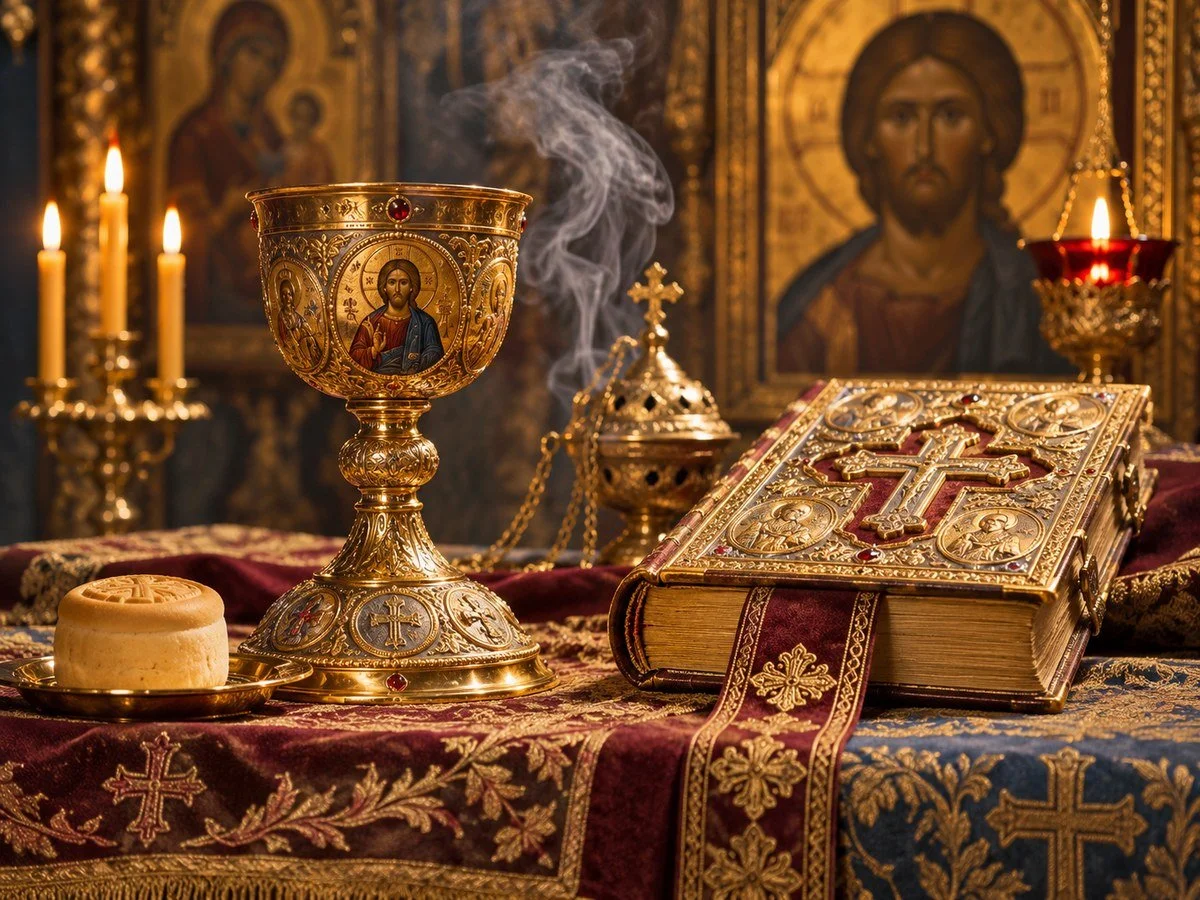
Exploring Orthodox Christianity often begins with questions about Scripture, history, worship, and the teachings of the early Church. These questions deserve thoughtful examination, patience, and prayer.
If you are considering Orthodoxy, begin by reading Holy Scripture, learning about the teachings of the Church, and visiting a canonical Eastern Orthodox parish. Attend the Divine Liturgy, speak with a priest, and experience the faith within a living Christian community.
You do not need to have every question answered before attending an Orthodox service.
The Orthodox Study Library exists to assist you in this journey by providing educational resources, theological studies, and answers to common questions. However, no website or collection of books can replace the sacramental life of the Church and the pastoral guidance of an Orthodox priest.