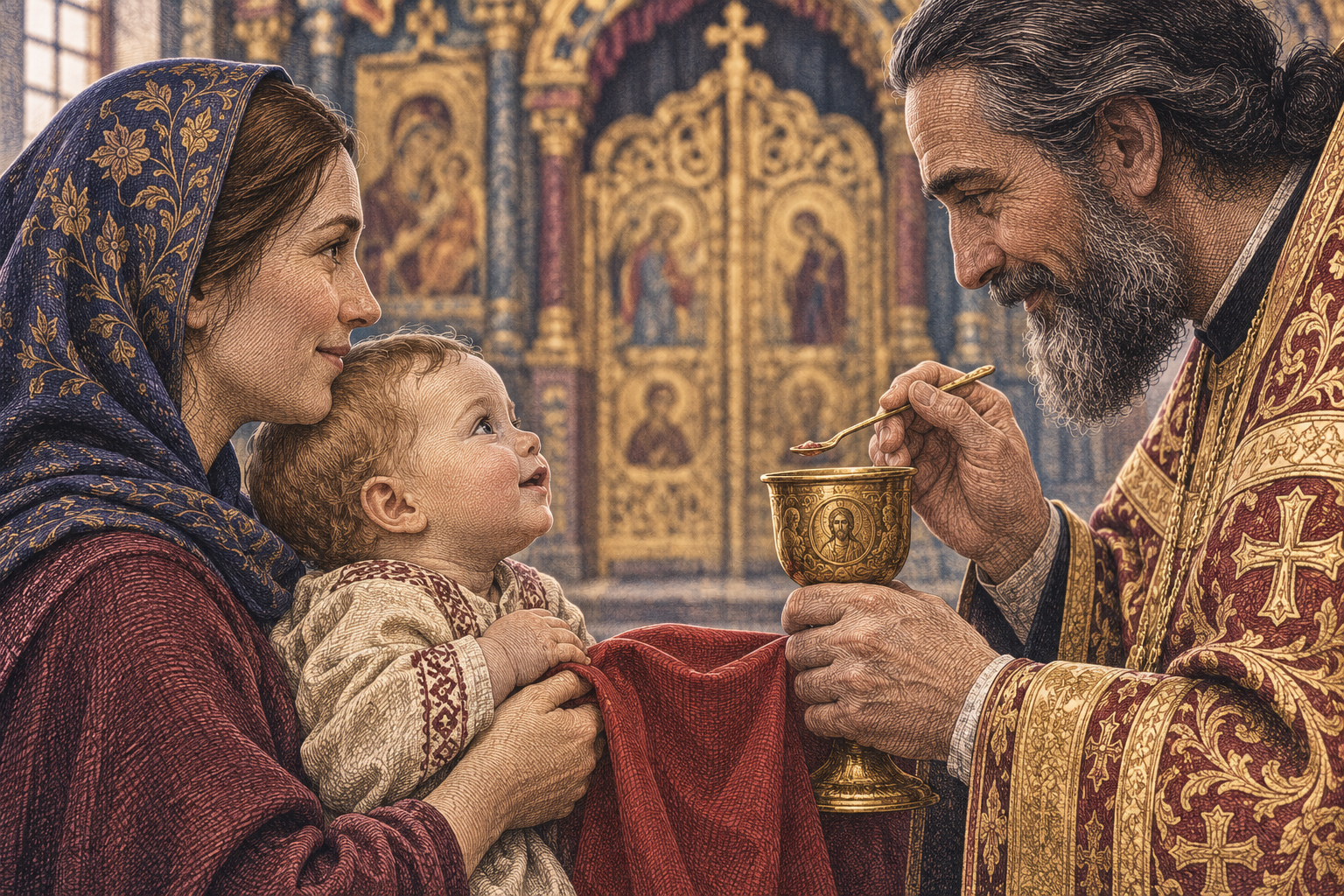
Why Do Orthodox Christians Give Communion to Infants?
Why would a priest give Holy Communion to a child too young to understand it? The Orthodox answer begins with baptism, takes St. Paul’s warning seriously, and finds an early witness in third-century Carthage.
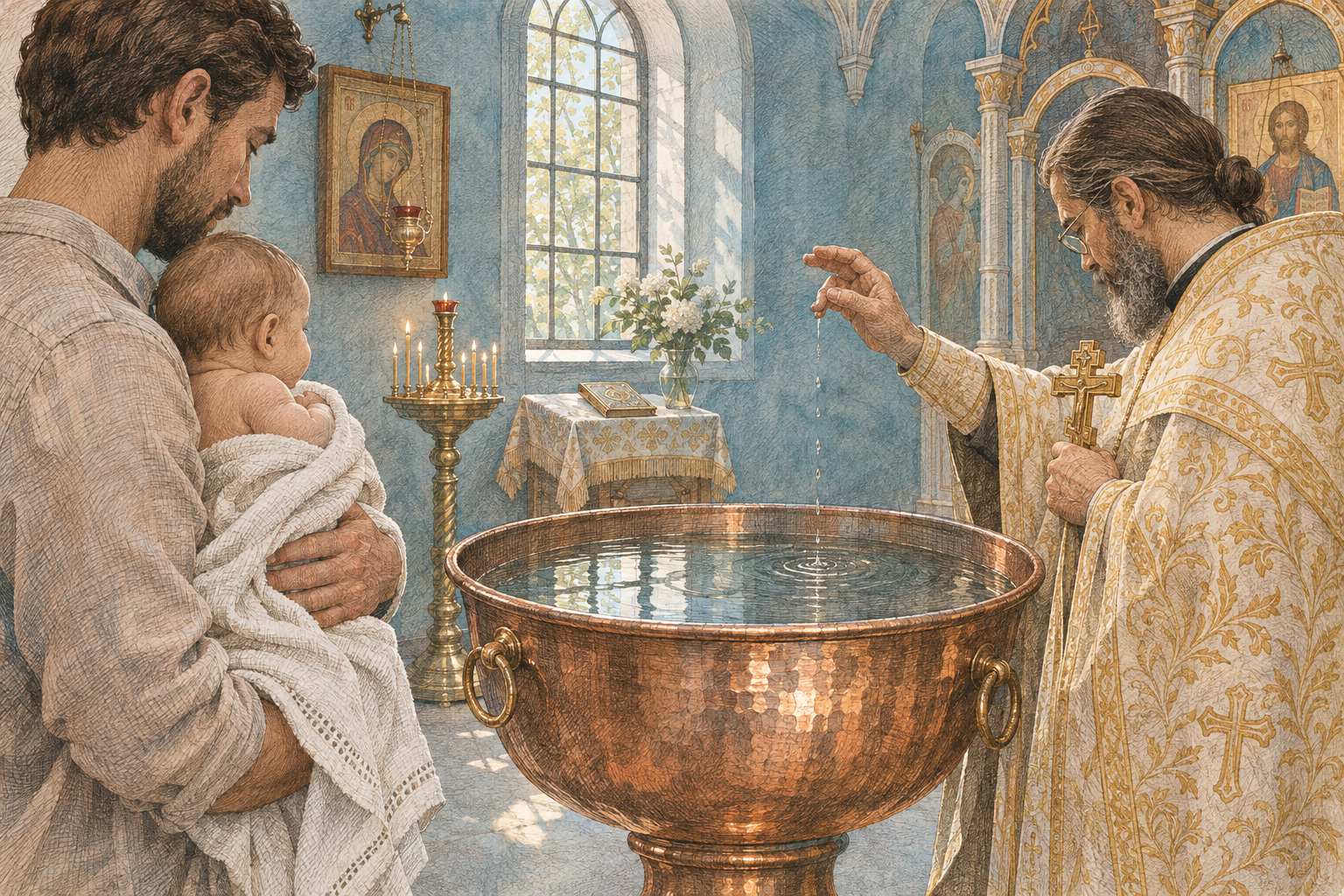
Why Do Orthodox Christians Baptize Babies?
A baby cannot repent, recite the Creed, or ask to be baptized. Why does the Orthodox Church bring a child to the font? The answer begins with what Christians believe happens in baptism. An ancient disagreement about whether a newborn should wait even eight days brings the question into focus.
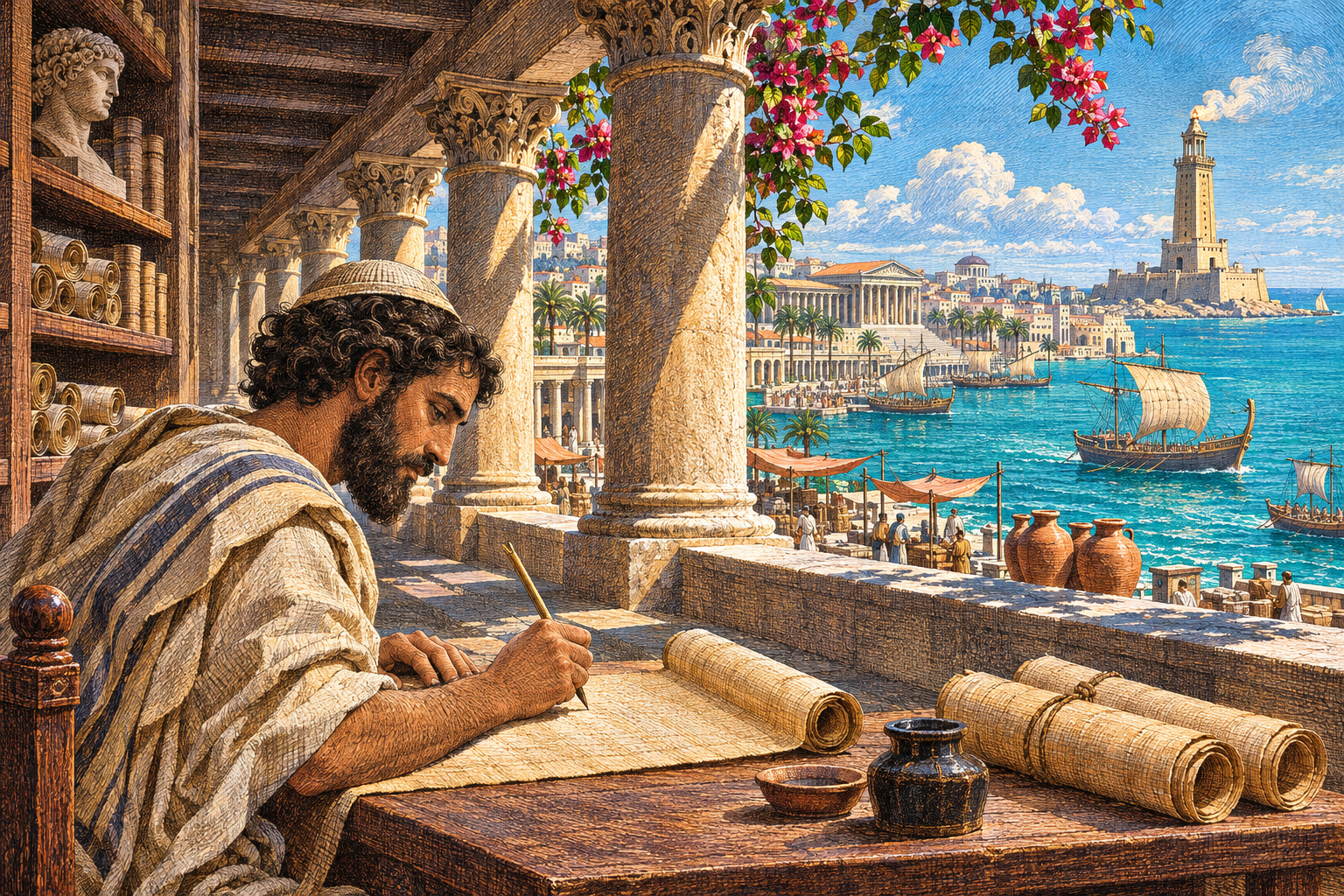
Why Does the Orthodox Old Testament Have More Books Than the Protestant Old Testament?
Look up 2 Maccabees in an Orthodox Bible and you’ll find it among the Scriptures. Look for it in a Protestant Bible and it may be missing entirely. How did Christians come to inherit different Old Testaments?
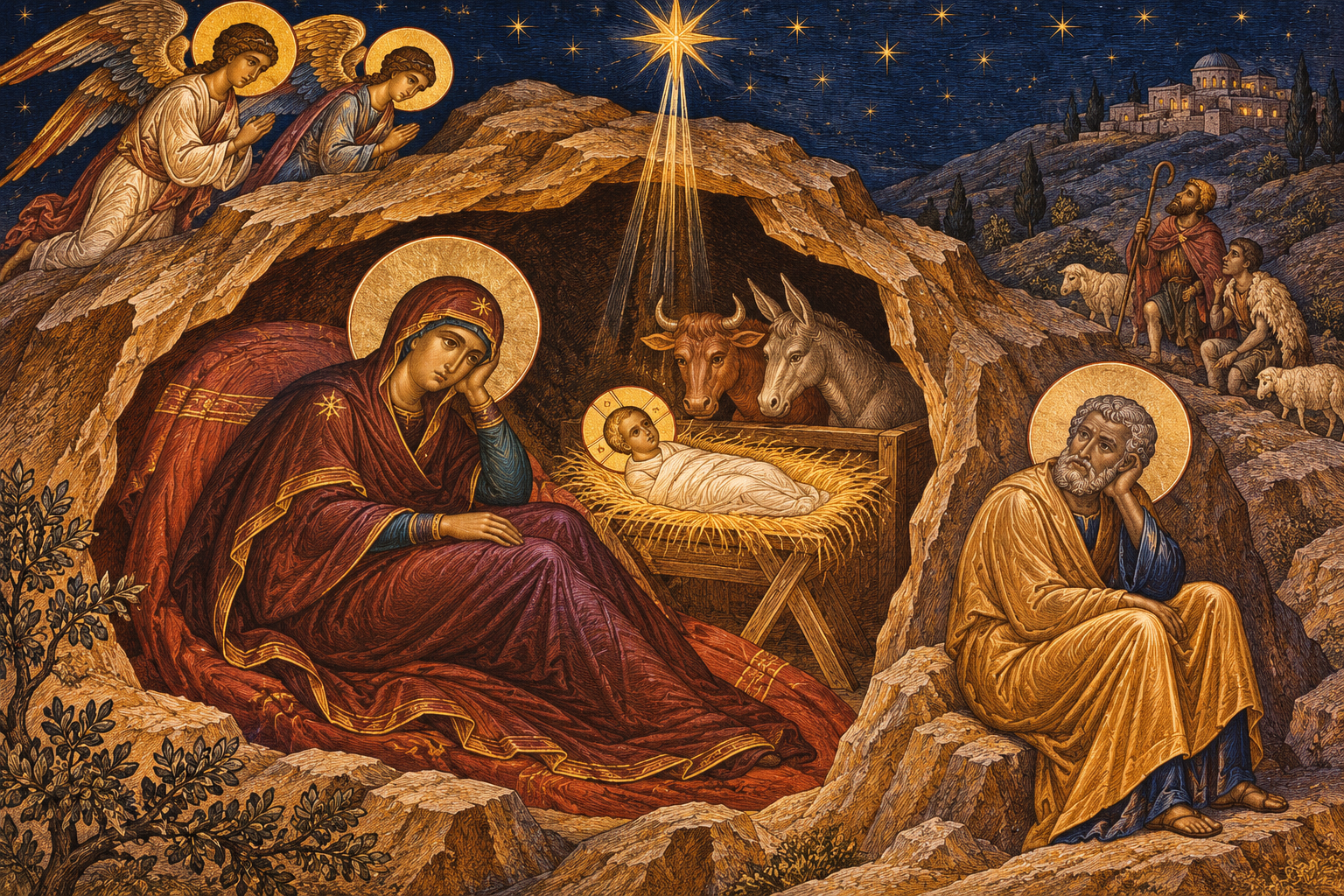
Was Mary Ever-Virgin? What Orthodox Christians Believe
The Gospels say Joseph did not know Mary “until” Jesus was born and refer to Jesus’ brothers and sisters. Do those passages settle whether Mary had other children? Here’s what they say, what they leave open, and how the Orthodox Church understands Mary’s perpetual virginity.
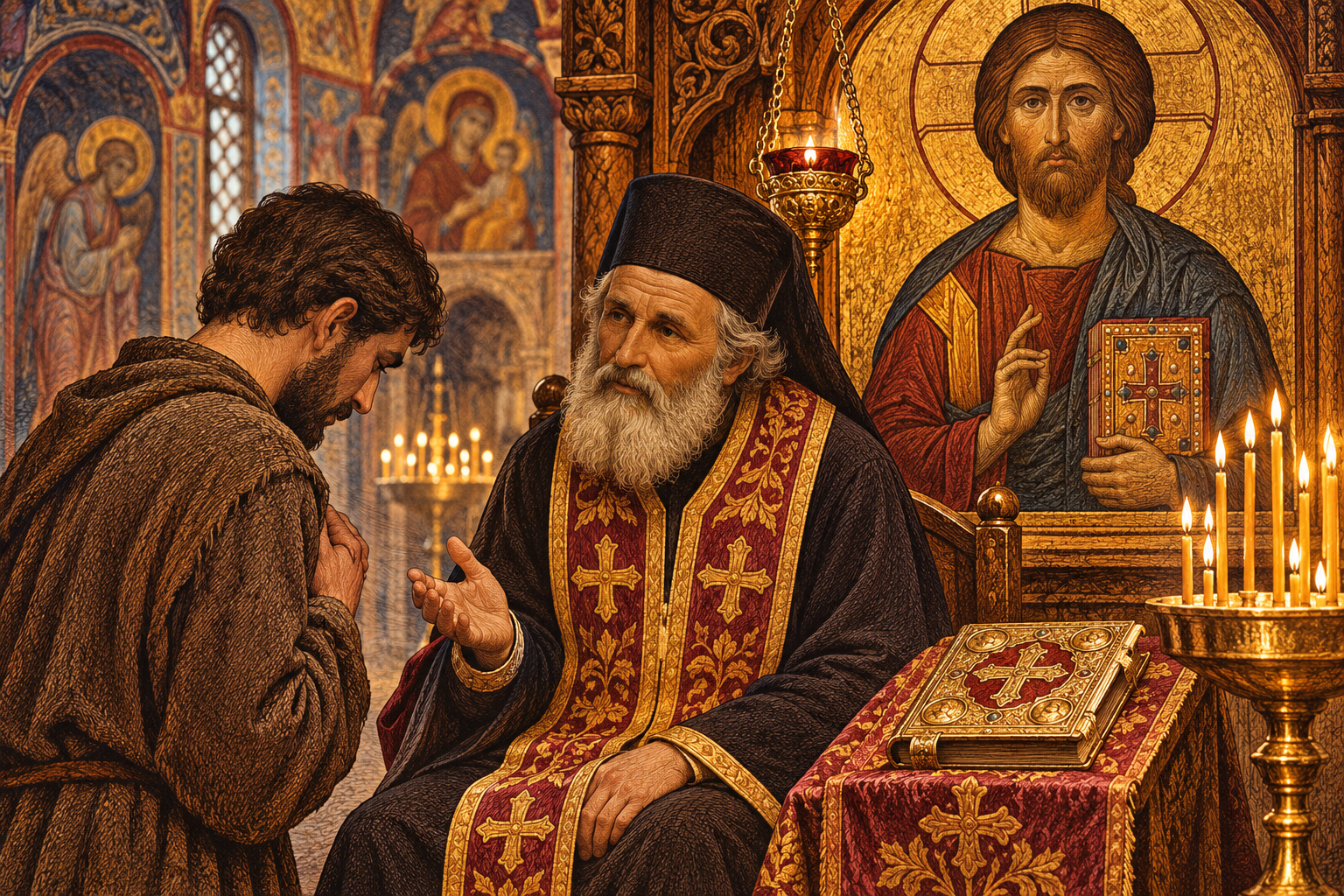
Why Do Orthodox Christians Confess to a Priest?
Orthodox Christians confess their sins to God in the presence of a priest. Why involve a priest at all? The answer involves Christ’s commission to the apostles, the Church’s ministry of forgiveness, and the healing of repentance.
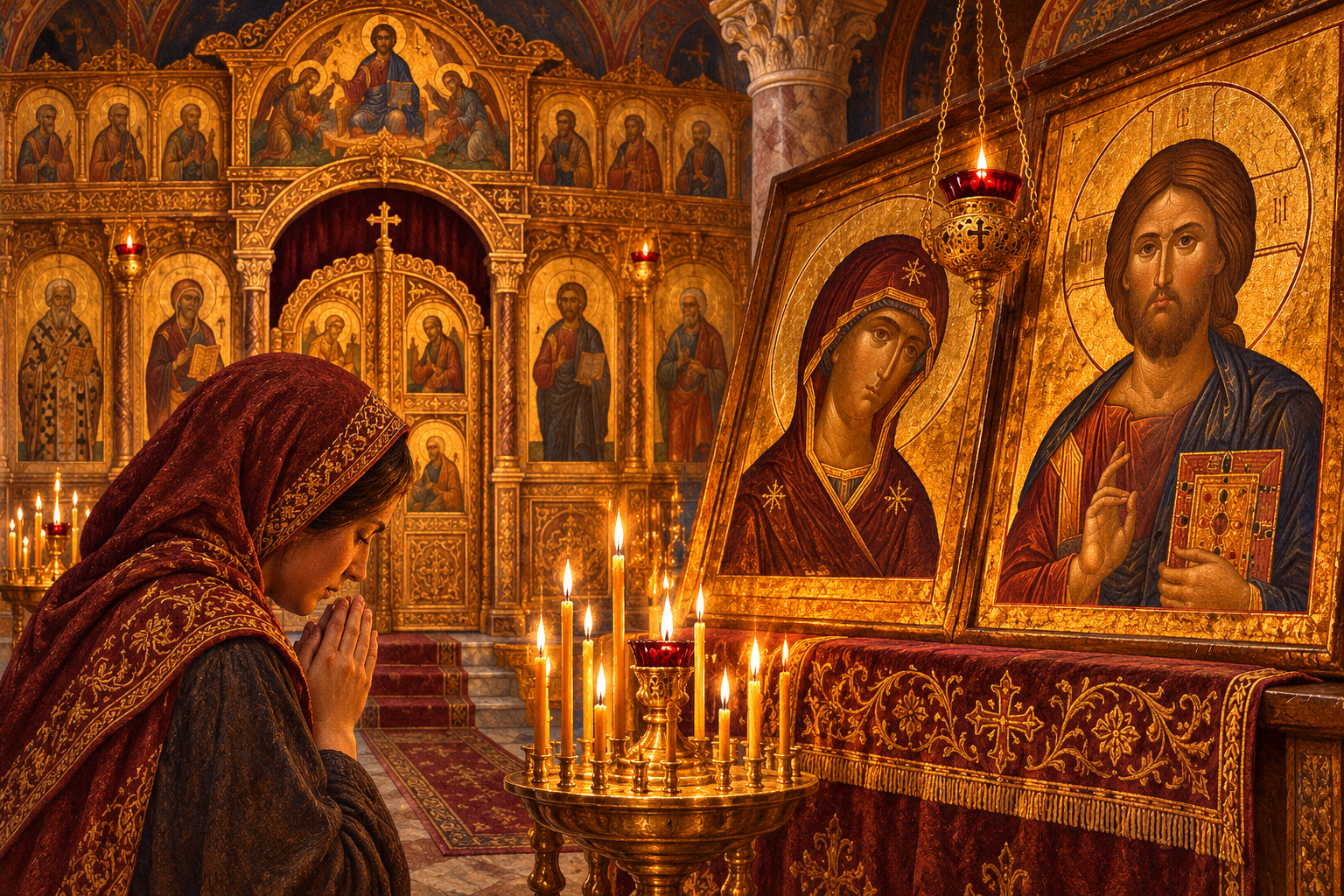
Why Do Orthodox Christians Ask the Saints to Pray for Us?
Orthodox Christians ask the saints to pray for them, but does that conflict with Christ as the one Mediator? The Church’s answer begins with the Bible’s teaching on intercession, the life of the saints in Christ, and the worship of the early Church.
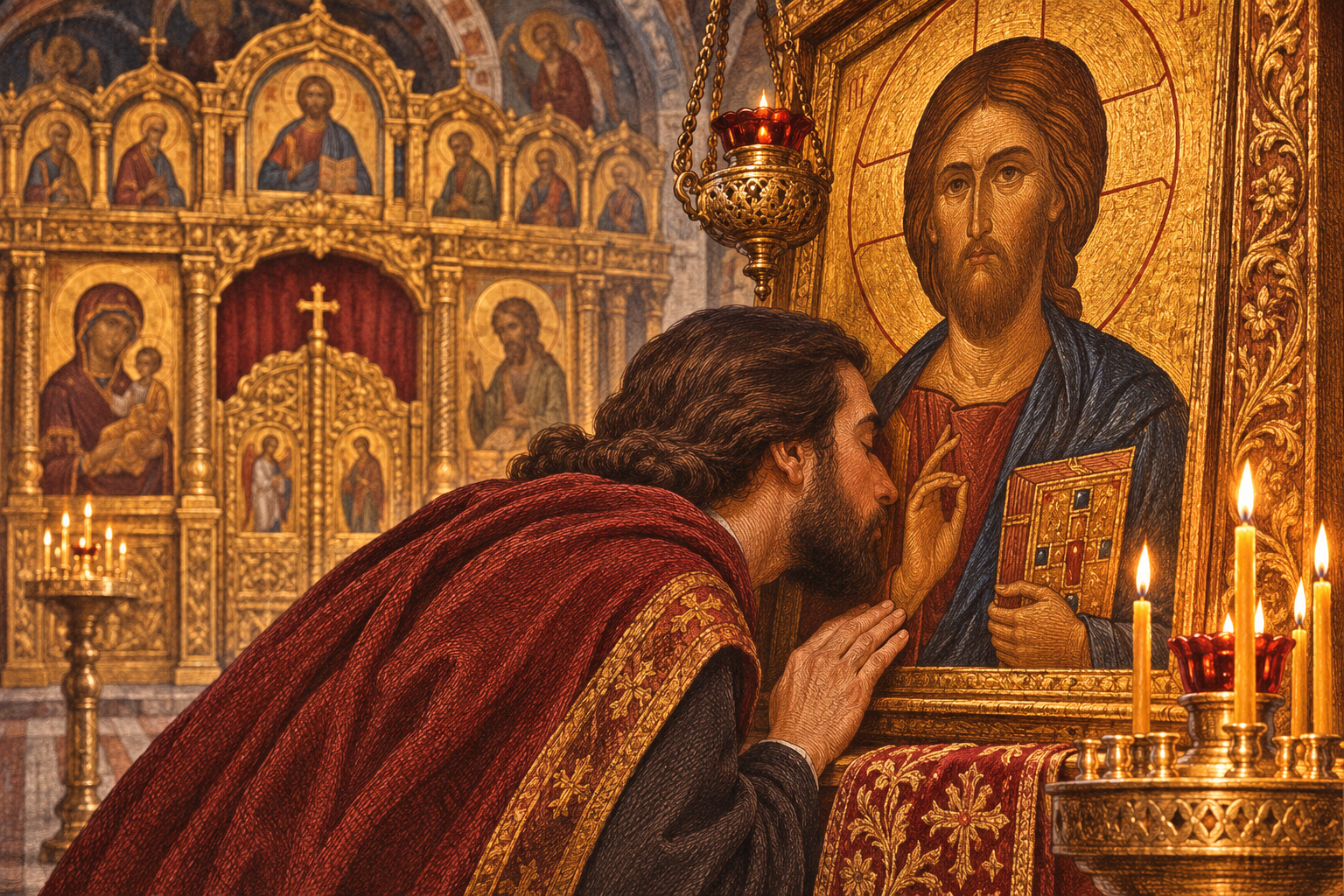
Are Orthodox Christians Worshiping Icons?
Orthodox Christians bow before and kiss icons, but do they worship them? Scripture condemns idols, yet also describes sacred images made for the Tabernacle. Here’s how the Church distinguishes veneration from the worship owed to God alone.
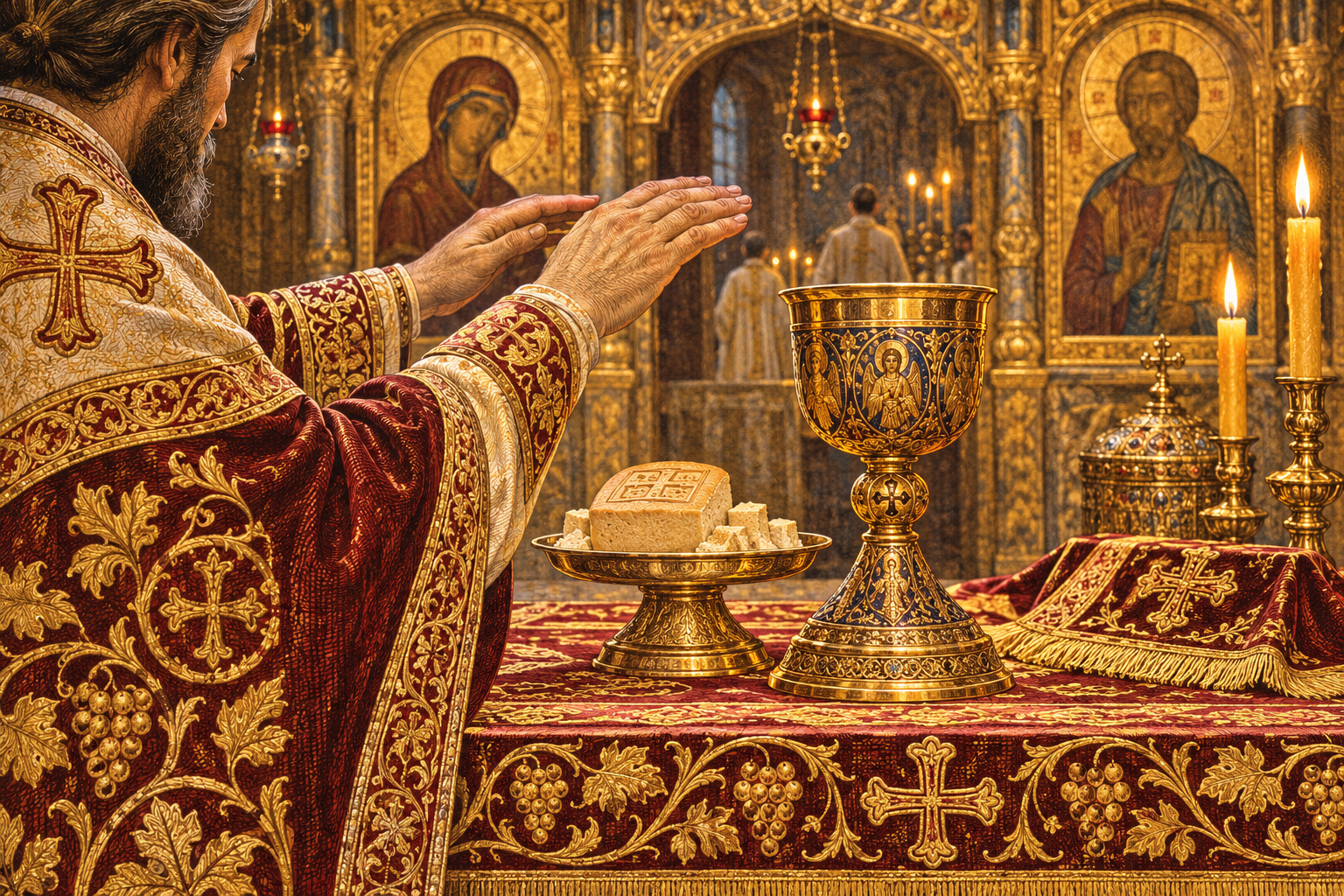
Is the Eucharist Just a Symbol? What the Early Church Believed
Christians disagree about how Christ is present in Communion, and Protestants do not all understand it the same way. But the early Christian witnesses speak clearly: the Eucharist is not ordinary bread and wine, and it is not merely a mental reminder.
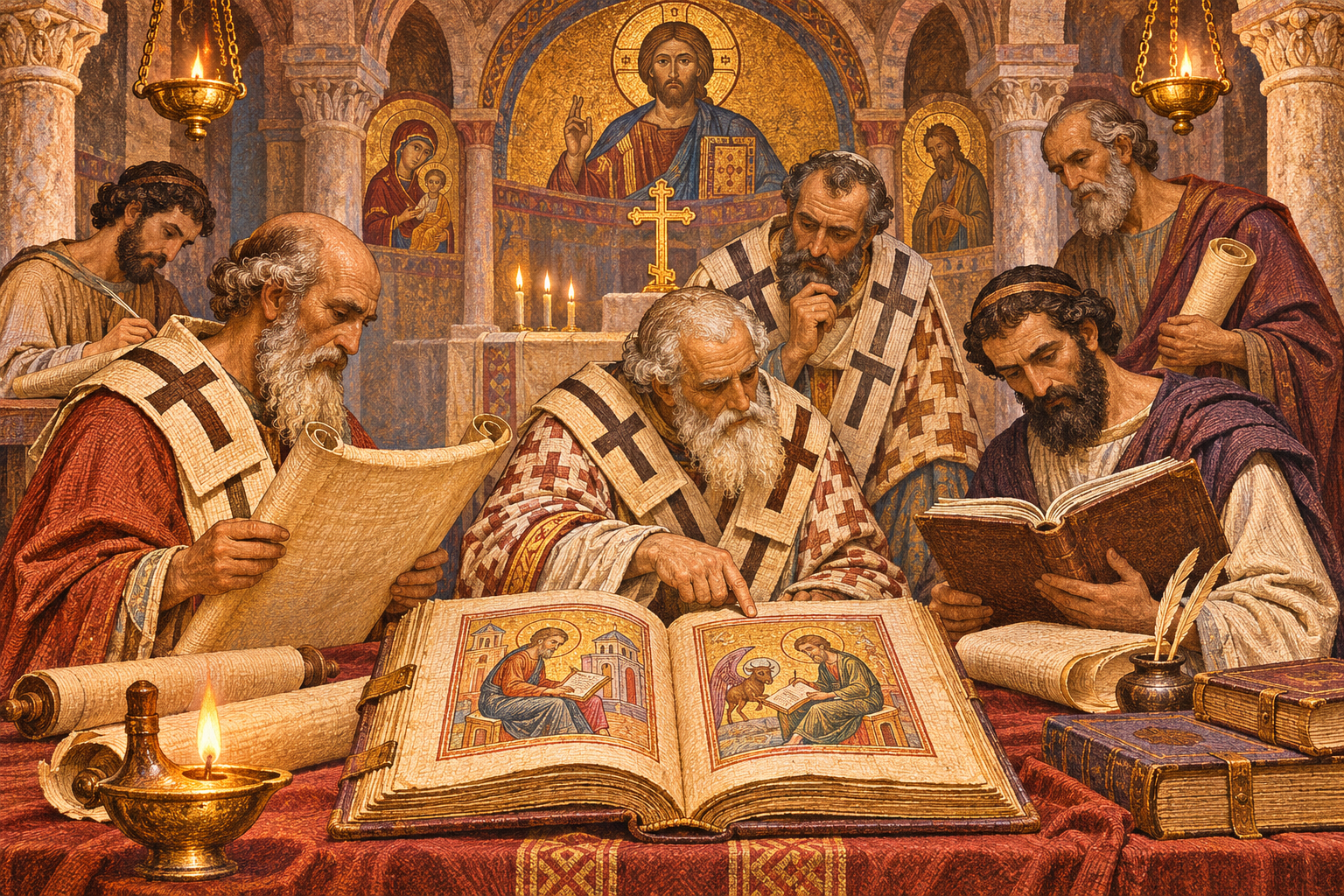
Who Chose the Books of the New Testament?
No single bishop or council invented the New Testament. The books were received and recognized across the early Church over time. Here’s what the early evidence shows—and what it does not.
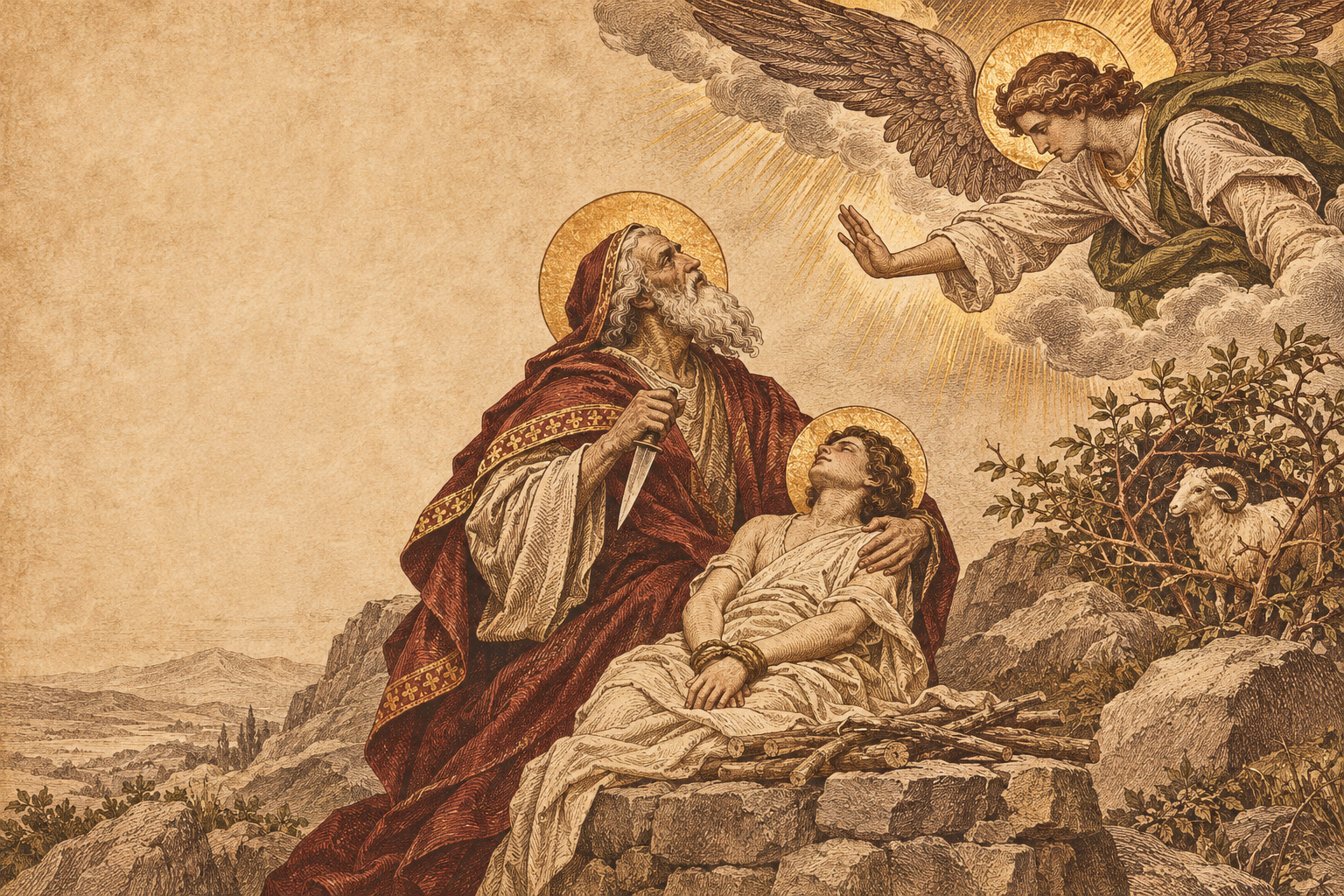
Faith Alone: Why Does James Explicitly Say Otherwise?
Paul proclaims justification by faith apart from works of the Law. James says a person is justified by works and not by faith alone. Read in context, the apostles are not contradicting each other: James exposes a profession emptied of obedience, while the Orthodox Church understands living faith as a grace-enabled union with Christ that becomes active in love.
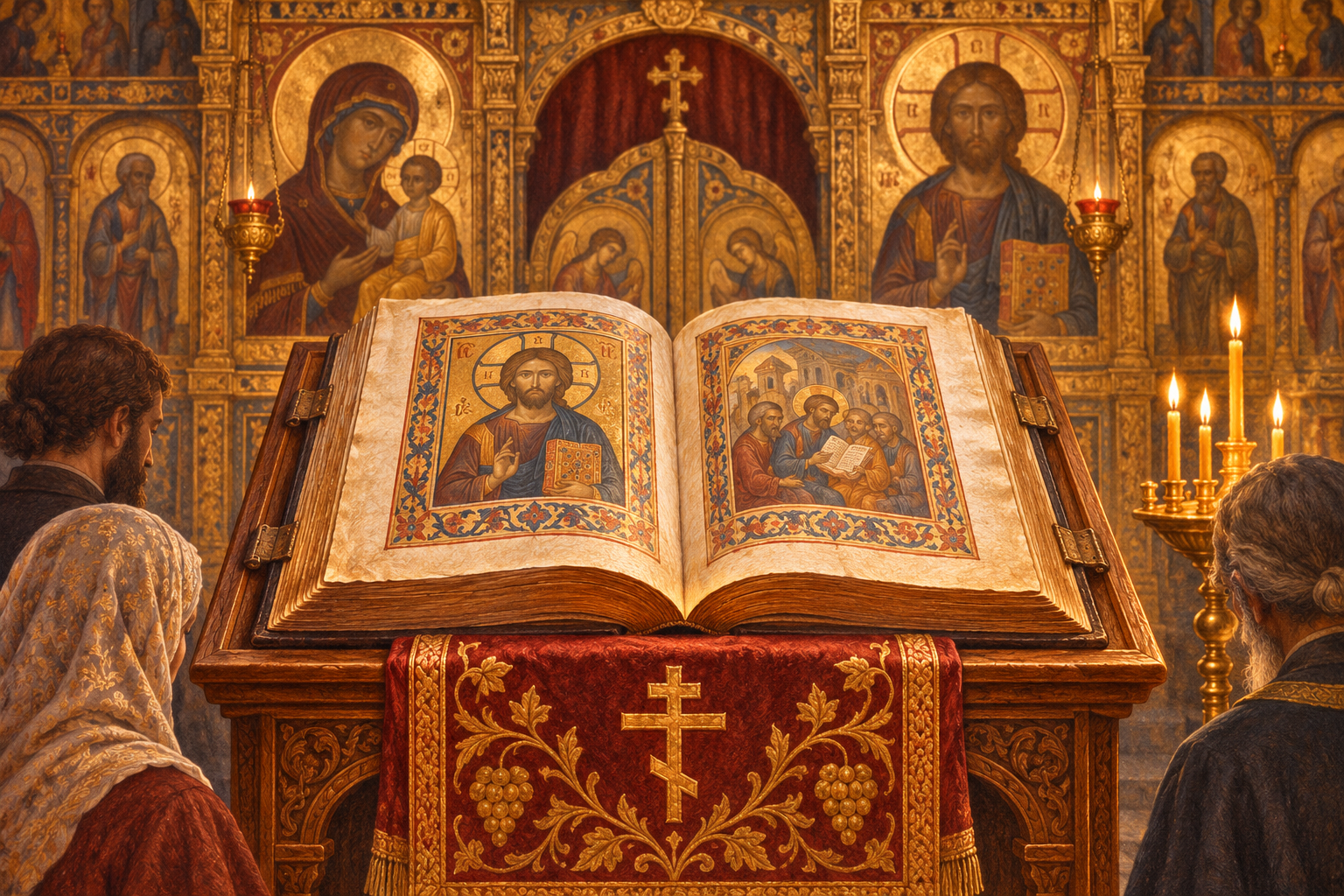
Sola Scriptura: Does the Bible Teach Scripture Alone?
The Orthodox Church confesses the authority and inspiration of Scripture. The question is whether the Bible teaches that Scripture is the Church’s only infallible authority, or whether the apostles also entrusted their teaching to the Church by word and practice.
By What Authority? The Fundamental Problem with Sola Scriptura
If Scripture alone is the final authority of the Christian faith, by what authority was Scripture itself received? An Orthodox examination of sola scriptura through biblical testimony, apostolic Tradition, the formation of the biblical canon, and the writings of the early Church Fathers.